
How to Find the Best RV Parks Estes Park Has to Offer
Planning an RV trip to Estes Park is about more than finding a place to park for the night. As the eastern gateway to Rocky Mountain National Park, Estes Park is one of Colorado’s most popular mountain destinations, attracting visitors with its alpine lakes, scenic drives, abundant wildlife, and charming downtown. Where you stay can shape your entire experience, especially during the busy summer and fall seasons when both campgrounds and national park parking areas fill quickly.
Some RV parks place you just minutes from downtown Estes Park, while others offer a quieter setting outside town with easy access to the mountains. Whether your itinerary includes hiking to alpine lakes, driving Trail Ridge Road, watching elk in Moraine Park, or exploring local shops and restaurants, choosing the right campground can help you spend less time navigating traffic and more time enjoying Northern Colorado.
This guide covers what to look for before booking, the best areas to stay, the differences between RV resorts and traditional campgrounds, and some of the area’s most popular attractions. You’ll also see why many visitors choose Loveland RV Resort as a comfortable home base for exploring Estes Park and Rocky Mountain National Park.
What to Look for in RV Parks Estes Park
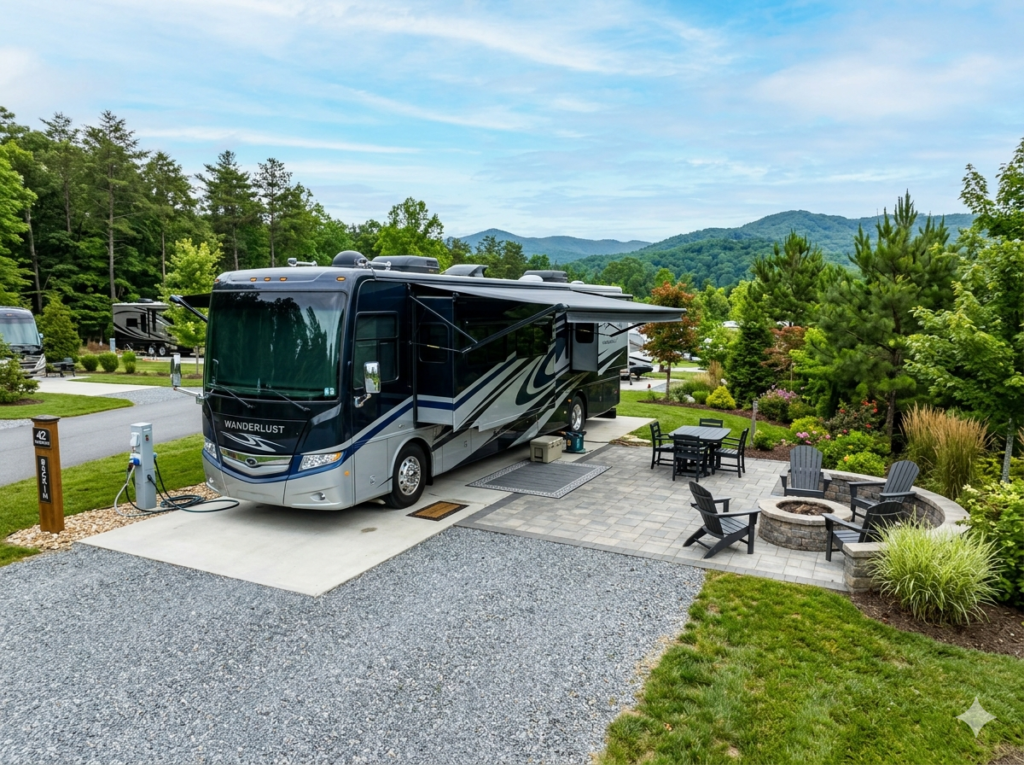
Not every RV park offers the same experience, and the best choice depends on how you plan to spend your trip. Some campgrounds are ideal if you want to be surrounded by nature, while others focus on spacious sites and resort-style amenities. Before making your reservation, here are a few things worth considering.
Choose Full Hookups for a More Comfortable Stay
After a full day of hiking mountain trails or exploring Rocky Mountain National Park, returning to a campsite with full hookups can make your trip much more enjoyable. Water, sewer, and electric connections provide the convenience many travelers appreciate, especially during multi-day stays when you’ll want to recharge before another day of adventure.
If you’re traveling in a larger motorhome or fifth wheel, it’s also worth checking whether the campground offers 30-amp or 50-amp service and whether your preferred site includes full hookups rather than partial utility connections.
Stay Somewhere with Easy Access to Rocky Mountain National Park
For many visitors, Rocky Mountain National Park is the main reason for visiting Estes Park. Choosing a campground with convenient access to the park can help you start your day earlier, which is especially important during the summer when trailhead parking lots often fill by mid-morning.
If you plan to visit popular areas like Bear Lake, Sprague Lake, or Trail Ridge Road, leaving your campground early can make a significant difference in both parking availability and the overall experience. It’s also worth checking whether Timed Entry Reservations are required during your travel dates before finalizing your itinerary.
Look for Spacious RV Sites
Mountain campgrounds can vary quite a bit in size, so don’t assume every site will comfortably fit your RV. Before booking, check the maximum RV length, whether the site is pull-through or back-in, and how much outdoor space you’ll have once you’re parked.
If you enjoy relaxing outside after a day of sightseeing, having enough room for chairs, a picnic table, or an awning can make your campsite feel like part of the vacation instead of simply a place to sleep.
Choose Amenities That Match Your Travel Style
The right amenities often depend on how long you’re staying. If you’re spending several days exploring Estes Park and Rocky Mountain National Park, conveniences like clean bathhouses, laundry facilities, dependable Wi-Fi, and pet-friendly spaces become much more valuable than you might expect.
Some RV resorts also offer community gathering areas, recreational amenities, and well-maintained grounds that make it enjoyable to spend an evening at the campground after a day in the mountains.
Estes Park RV Resorts vs. RV Campgrounds Estes Park
As you compare your options, you’ll notice two distinct types of accommodations: resort-style RV parks and more traditional campgrounds. Both have their advantages, and understanding the difference can help you choose the one that best fits your trip.
RV resorts are designed with comfort and convenience in mind. They often feature spacious full-hookup sites, modern facilities, laundry rooms, reliable Wi-Fi, and additional amenities that make longer stays more comfortable. If you’re planning to spend several days exploring Estes Park while returning to the same campsite each evening, a resort-style property can offer a more relaxing experience.
Traditional campgrounds, on the other hand, provide a more rustic setting that appeals to visitors who want to stay closer to nature. Some offer fewer amenities and may have partial hookups or no hookups at all, but they often place you closer to forests, rivers, and hiking trails.
If you’re considering camping inside Rocky Mountain National Park, keep in mind that the park’s campgrounds do not offer RV hookups. You’ll need to rely on your onboard water, batteries, and waste tanks during your stay. For many RV owners, staying at a nearby full-hookup resort and driving into the park each day provides a more comfortable balance between outdoor adventure and modern conveniences.
Best Locations for RV Camping Near Estes Park Colorado
Where you stay can have a bigger impact on your trip than many first-time visitors expect. Some campgrounds put you within walking distance of downtown Estes Park, while others offer a quieter setting with easier access to multiple Northern Colorado destinations. Depending on your itinerary, one location may suit your plans much better than another.
Stay Near Downtown Estes Park
If you enjoy walking to restaurants, coffee shops, and local boutiques, staying close to downtown Estes Park is hard to beat. The historic downtown district sits along the Big Thompson River and is known for its scenic Riverwalk, locally owned shops, art galleries, and mountain-town atmosphere.
It’s an easy place to spend an afternoon browsing outdoor outfitters, sampling homemade saltwater taffy, or relaxing on a patio before heading back to your campsite. Throughout the year, downtown also hosts seasonal festivals, farmers markets, and holiday events that give each visit its own character.
Camp Near Rocky Mountain National Park
If hiking and sightseeing are your top priorities, staying close to Rocky Mountain National Park can save valuable time each morning. Popular destinations like Bear Lake, Moraine Park, and Trail Ridge Road attract thousands of visitors during the summer, and parking areas often reach capacity early in the day.
Being nearby makes it easier to catch a sunrise over the mountains, enjoy cooler morning hiking conditions, or spot wildlife before crowds become heavier later in the day.
If you’re planning to explore Rocky Mountain National Park, it’s helpful to know where to actually park your RV near Estes Park before arriving.
Consider Staying in Loveland
If campsites around Estes Park are full—or you’re looking for a little more space and additional amenities—nearby Loveland is an excellent alternative. Located about 35 to 40 minutes from downtown Estes Park via US-34, Loveland offers easy access to both the mountains and the cities along Colorado’s Front Range.
Many visitors appreciate staying at Loveland RV Resort, where spacious full-hookup sites, modern amenities, and a quieter setting provide a comfortable place to return after a day exploring Rocky Mountain National Park, Estes Park, or Fort Collins.
Choose a Central Location for Exploring Northern Colorado
While Estes Park is the highlight of many trips, there’s plenty to discover beyond the mountains. Staying in a central location allows you to take day trips to Fort Collins, drive the Cache la Poudre Scenic Byway, visit Benson Sculpture Garden in Loveland, or spend an afternoon at Horsetooth Reservoir without packing up your RV between destinations.
Instead of limiting yourself to one town, you’ll have the flexibility to experience several of Northern Colorado’s most popular attractions while keeping the same comfortable campsite throughout your stay.
Top Things to Do Near Estes Park
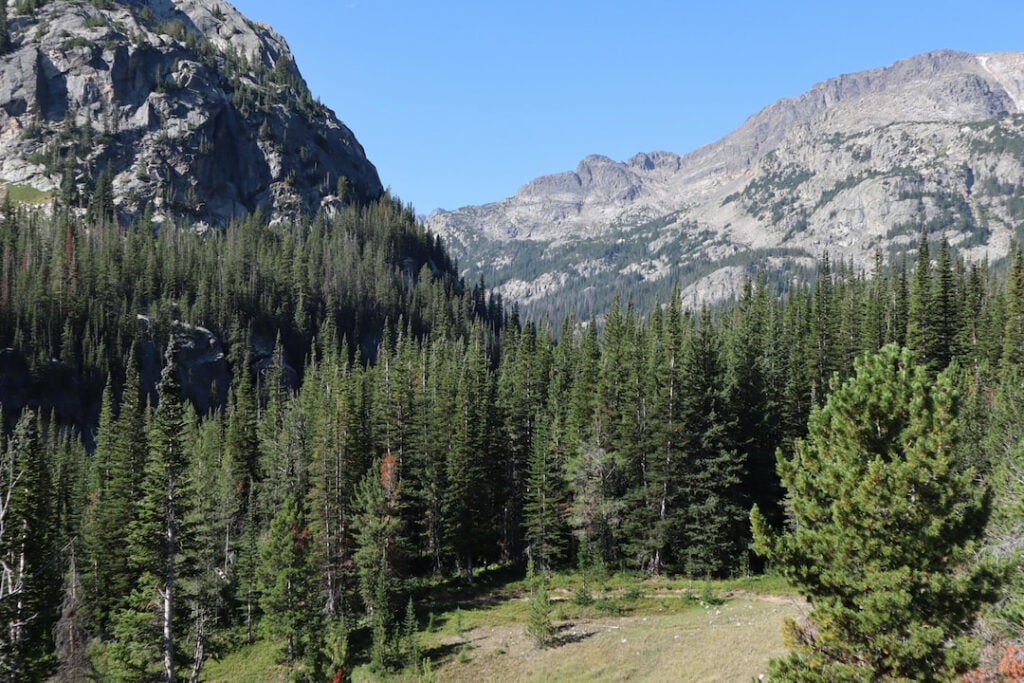
One of the biggest reasons people visit Estes Park is its easy access to some of Colorado’s most spectacular scenery. Within a short drive, you can hike to alpine lakes, watch elk roam through mountain meadows, explore a historic downtown, or drive one of the most scenic roads in the country. Whether you’re planning a weekend getaway or a longer vacation, these attractions deserve a spot on your itinerary.
Explore Rocky Mountain National Park
No visit to Estes Park is complete without spending time in Rocky Mountain National Park. Covering more than 415 square miles, the park offers everything from peaceful lakeside walks to challenging mountain hikes, making it one of the most visited national parks in the United States.
Popular destinations include Bear Lake, a scenic alpine lake surrounded by mountain peaks that’s perfect for first-time visitors, and Alberta Falls, one of the park’s most photographed waterfalls. If you’re looking for an easier walk, Sprague Lake features a nearly level trail with beautiful views that are especially impressive at sunrise.
Wildlife is another highlight. It’s common to see elk, mule deer, bighorn sheep, and even moose, particularly during the early morning and evening hours.
If you’re visiting between late May and mid-October, check whether a Timed Entry Reservation is required before entering the park. Arriving early not only helps with parking but also lets you experience the trails before they become crowded.
Drive Trail Ridge Road
Trail Ridge Road is often the highlight of any trip to Estes Park. Stretching across Rocky Mountain National Park, this remarkable highway climbs above 12,000 feet, making it one of the highest continuously paved roads in North America.
As you drive above the tree line, you’ll pass alpine tundra, sweeping mountain vistas, and numerous overlooks where you can stop for photos. On clear days, the panoramic views seem to stretch for miles in every direction.
Because of heavy snowfall, Trail Ridge Road is typically open only from late spring through fall, although opening and closing dates vary each year depending on weather conditions. Checking current road conditions before your visit is always recommended.
Spend an Afternoon at Lake Estes
Just minutes from downtown, Lake Estes offers a slower pace after a morning of hiking or sightseeing. The lake is surrounded by a paved multi-use trail that’s popular for walking, jogging, and cycling while enjoying views of the surrounding mountains.
During the warmer months, you can rent kayaks, paddleboards, pedal boats, and canoes from the marina or simply relax along the shoreline with a picnic. Families especially enjoy this area because it combines mountain scenery with easy recreational activities that don’t require a full day in the national park.
Walk Through Downtown Estes Park
Downtown Estes Park has a charm that’s hard to miss. Lined with locally owned shops, art galleries, outdoor outfitters, restaurants, and candy stores, it’s a place where you can easily spend a few leisurely hours between outdoor adventures.
The Riverwalk winds through the downtown area alongside the Big Thompson River, providing a pleasant place to stroll while stopping at cafés, breweries, and specialty shops along the way. Don’t be surprised if you leave with homemade saltwater taffy, locally made fudge, or a few unique souvenirs from one of the mountain boutiques.
Throughout the year, downtown also hosts seasonal festivals, live music, and community events that add even more energy to the area.
Tour the Historic Stanley Hotel
Perched above Estes Park, the Stanley Hotel has welcomed visitors since 1909 and remains one of Colorado’s most recognizable landmarks. While many people know it for inspiring Stephen King’s The Shining, the hotel attracts just as many visitors for its architecture, history, and spectacular mountain views.
Guided tours explore the hotel’s fascinating past, while several restaurants and outdoor patios make it an enjoyable place to stop, even if you’re not staying overnight. The elevated location also provides excellent photo opportunities overlooking Estes Park.
Visit Moraine Park During Elk Season
If seeing elk is on your Colorado bucket list, Moraine Park is one of the best places to visit. The wide-open valley provides ideal habitat for large elk herds, and sightings are common throughout much of the year.
During September and early October, the annual elk rut transforms the area into one of the park’s most popular wildlife viewing destinations. Visitors often hear the distinctive bugling calls of bull elk echoing through the valley as they compete for mates.
Remember to admire wildlife from a safe distance and never approach or feed the animals, even if they seem calm.
Take a Ride on the Estes Park Aerial Tramway
For a different perspective of Estes Park, ride the Estes Park Aerial Tramway to the summit of Prospect Mountain. The short trip provides sweeping views of the town, Lake Estes, and the surrounding Rocky Mountains without requiring a strenuous hike.
Once at the top, you’ll find observation areas, walking paths, and opportunities to spot chipmunks and other wildlife while taking in the scenery. It’s a favorite stop for families and anyone looking to enjoy mountain views from above.
Visit Lily Lake
Located just south of Estes Park along Highway 7, Lily Lake offers one of the area’s most peaceful outdoor experiences. The easy walking trail circles the lake and provides beautiful reflections of the surrounding mountains, making it a favorite destination for photographers and families with young children.
Because it’s outside the busiest sections of Rocky Mountain National Park, Lily Lake often feels less crowded while still offering the same incredible scenery that draws visitors to the region.
Discover More of Northern Colorado
While Estes Park is the centerpiece of many vacations, staying nearby gives you the flexibility to explore more of Northern Colorado without relocating your RV.
A short drive brings you to Loveland, where you can stroll through the nationally recognized Benson Sculpture Garden or explore the city’s vibrant public art scene. Fort Collins offers award-winning craft breweries, historic Old Town, and scenic trails along the Cache la Poudre River, while Horsetooth Reservoir is a favorite destination for boating, paddleboarding, hiking, and relaxing along the foothills.
Choosing a centrally located campground allows you to experience mountain adventures one day and explore Colorado’s charming Front Range communities the next, creating a more varied and memorable trip.
Planning Your Estes Park RV Camping Trip
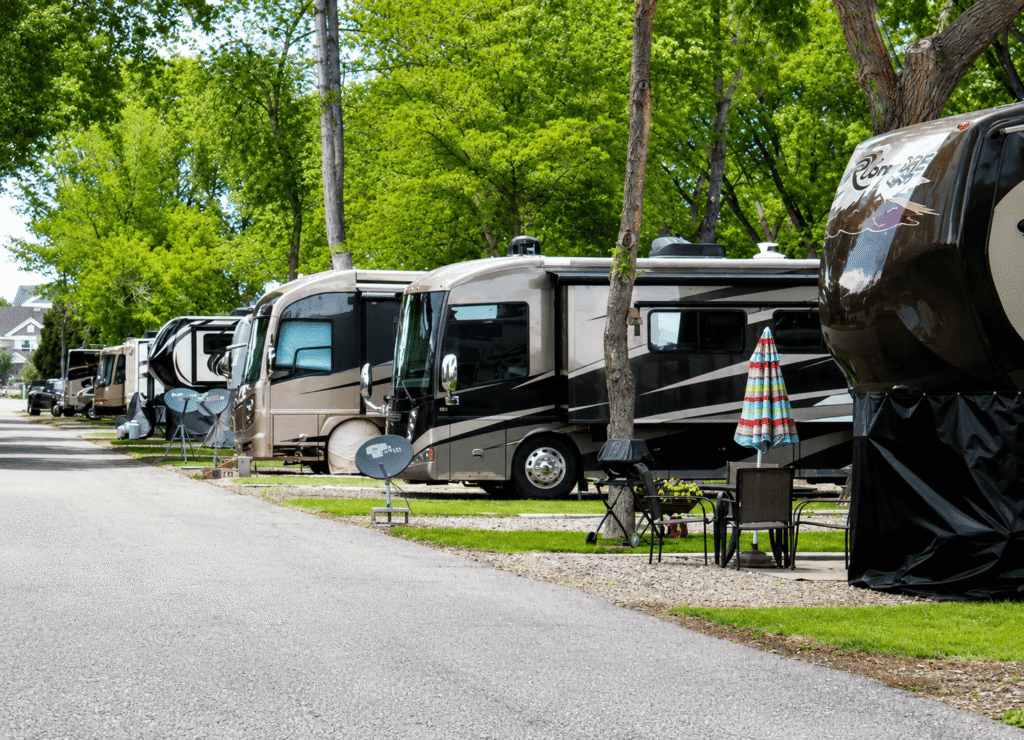
A little planning can make a big difference when visiting Estes Park, especially during the busiest travel months. Because it’s one of Colorado’s most popular mountain destinations, campgrounds, park entrances, and trailhead parking lots can fill quickly during the summer and fall. Preparing ahead helps you spend more time enjoying the scenery and less time dealing with crowds or last-minute changes.
Reserve Your RV Site Early
If you’re planning to visit between late May and October, booking your campsite well in advance is one of the smartest things you can do. Estes Park attracts hikers, wildlife enthusiasts, photographers, and families from across the country, and many RV parks reach capacity weeks or even months before holiday weekends.
Fall is particularly busy as visitors come to experience the changing aspens and witness the annual elk rut. Colorado State University events, summer vacations, and festivals throughout Northern Colorado also increase demand for nearby RV parks.
If your preferred campground is already full, expanding your search to nearby communities like Loveland often provides more availability while still keeping Estes Park within an easy drive.
Understand Rocky Mountain National Park’s Timed Entry System
Many first-time visitors are surprised to learn that Rocky Mountain National Park may require Timed Entry Reservations during the busiest months of the year. These reservations help manage traffic and protect the visitor experience by limiting the number of vehicles entering the park during peak hours.
Reservation requirements and schedules can change from year to year, so it’s important to check the National Park Service website before your trip. If reservations are required, book them as early as possible since popular dates can fill quickly.
Even if you have a reservation, arriving early in the morning often means cooler temperatures, better wildlife viewing, and easier parking at popular destinations like Bear Lake and Sprague Lake.
Prepare for Mountain Weather
Weather in the Rockies can change surprisingly fast, even during the middle of summer. You may start your morning wearing a light jacket, spend the afternoon hiking in short sleeves, and encounter an afternoon thunderstorm before heading back to your campsite.
Packing layers is the easiest way to stay comfortable throughout the day. A lightweight rain jacket, fleece, sturdy hiking shoes, sunscreen, sunglasses, and reusable water bottles are all essentials for exploring the area.
If you plan to hike above the tree line, consider starting early in the morning. Afternoon thunderstorms are common during July and August, particularly at higher elevations.
Drive Safely on Mountain Roads
Driving through the mountains is part of the adventure, but it also requires a little extra preparation. Roads leading to Estes Park and throughout Rocky Mountain National Park include winding curves, steep grades, and changing elevations.
If you’re towing a trailer or driving a larger motorhome, take your time, use lower gears when descending steep roads, and avoid riding your brakes on long downhill sections. Before heading out each day, check current road conditions, especially if you’re traveling in spring or fall when weather can change unexpectedly.
Many RV owners find it easiest to leave their RV at the campground and explore the national park using their tow vehicle or another smaller vehicle, making it easier to navigate narrow roads and crowded parking areas.
Expect Wildlife Along the Road
Wildlife is one of the biggest highlights of visiting Estes Park, but it can also slow traffic. Elk frequently cross roads near Moraine Park, Horseshoe Park, and even throughout downtown Estes Park, while mule deer and bighorn sheep are commonly seen throughout the region.
If you spot wildlife, pull completely off the road only where it’s safe to do so. Never stop in the middle of traffic or approach animals for a closer photo. Giving wildlife plenty of space helps protect both visitors and the animals themselves.
Plan a Flexible Itinerary
One of the advantages of traveling by RV is the freedom to adjust your plans as you go. Instead of trying to fit everything into a single day, give yourself time to experience the area at a comfortable pace.
A three-day itinerary might include hiking around Bear Lake on your first day, driving Trail Ridge Road and exploring downtown Estes Park on your second, and visiting Loveland or Fort Collins before heading home. If you’re staying longer, you can add destinations like Horsetooth Reservoir, the Cache la Poudre Scenic Byway, or Benson Sculpture Garden without feeling rushed.
Building extra time into your schedule also gives you flexibility if afternoon weather changes your hiking plans or you discover a scenic overlook or local restaurant that wasn’t originally on your itinerary.
Why Many Visitors Stay Near Estes Park Instead of in Town
Although staying in Estes Park is convenient, many visitors choose nearby communities for a more relaxed experience. During peak travel seasons, campgrounds in Estes Park often fill quickly, and resort-style amenities can be more limited due to space constraints within the mountain valley.
Staying in nearby Loveland gives you the best of both worlds. You’re still within about 35 to 40 minutes of downtown Estes Park via US-34, while enjoying spacious full-hookup sites, modern amenities, and convenient access to other Northern Colorado destinations like Fort Collins, Boyd Lake State Park, and the Cache la Poudre Scenic Byway.
For many RV travelers, using Loveland as a home base means you can spend the day hiking in the mountains, exploring Estes Park, or driving Trail Ridge Road before returning to a quieter campground with more room to relax. It’s an easy way to experience everything the region has to offer without needing to move your RV from one campground to another throughout your trip.
Frequently Asked Questions About RV Parks Estes Park
The best RV parks Estes Park visitors choose typically offer full hookups, spacious sites, clean facilities, and convenient access to Rocky Mountain National Park. Many RV travelers also stay in nearby communities like Loveland to enjoy additional amenities while remaining within an easy drive of Estes Park.
Yes. Many Estes Park RV resorts offer full hookups with water, sewer, and electric service. Depending on the property, you may also find Wi-Fi, laundry facilities, pet-friendly amenities, picnic areas, and spacious pull-through sites for larger RVs.
Many RV parks near Estes Park are located within minutes of the national park entrance, while nearby communities such as Loveland provide another convenient option for visitors looking to explore Rocky Mountain National Park and other Northern Colorado attractions.
Late spring through early fall is the most popular season for Estes Park RV camping thanks to pleasant temperatures, excellent hiking conditions, and beautiful mountain scenery. Autumn is especially popular because of colorful fall foliage and elk viewing opportunities.
Yes. Estes Park is one of Colorado’s busiest travel destinations, particularly during summer, fall weekends, and holidays. Reserving your campsite several months in advance gives you the best selection of RV sites and travel dates.
Plan Your Northern Colorado Stay at Loveland RV Resort
Estes Park is more than a gateway to Rocky Mountain National Park. It’s a destination where mountain scenery, wildlife, scenic drives, and small-town charm come together to create one of Colorado’s most memorable vacations. Whether you’re hiking to alpine lakes, driving above the tree line on Trail Ridge Road, browsing the shops in downtown Estes Park, or watching elk graze in Moraine Park, choosing the right place to stay can make every day of your trip easier and more enjoyable.
For visitors who want the flexibility to explore Estes Park while enjoying spacious full-hookup sites and modern amenities, Loveland RV Resort offers a convenient home base in Northern Colorado. Located about 35 to 40 minutes from Estes Park via US-34, the resort also provides easy access to Fort Collins, Boyd Lake State Park, Horsetooth Reservoir, and other popular attractions throughout the region.
Ready to start planning your Colorado getaway? Check current site availability at Loveland RV Resort and reserve your stay today, so you can spend less time planning logistics and more time experiencing everything Estes Park and Rocky Mountain National Park have to offer.