
Winter RV Camping Loveland CO: What to Know Before You Go
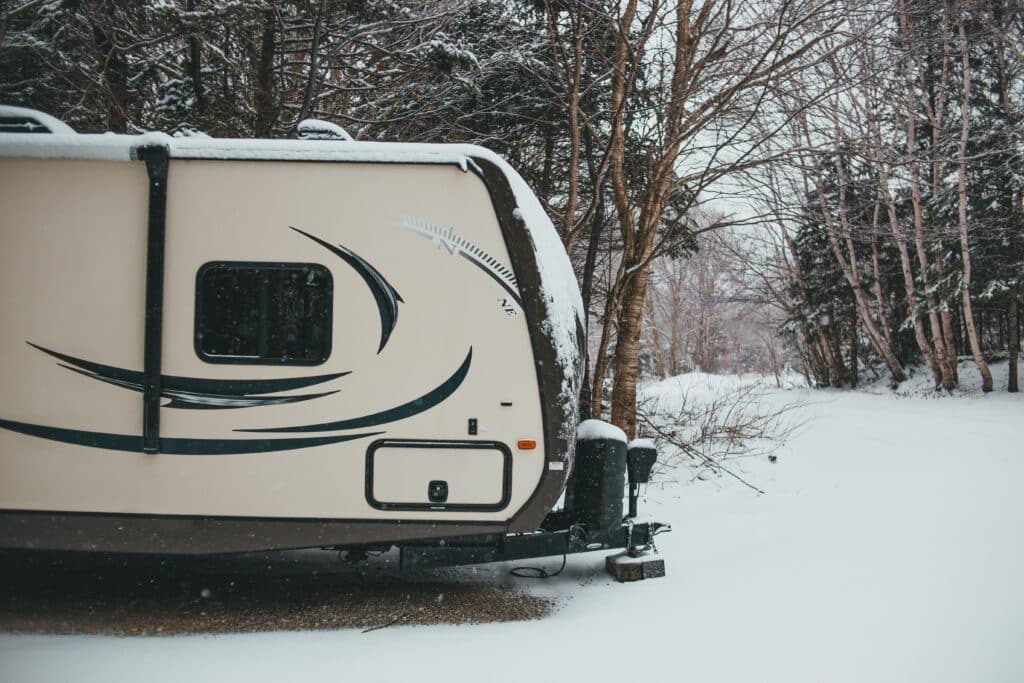
Winter changes the way you RV in Northern Colorado. You may wake up to snow around your campsite, deal with freezing overnight temperatures, or find clear roads in Loveland while conditions are completely different higher in the mountains.
If you’re considering winter RV camping in Loveland CO, preparation matters more than it does during a typical summer stay. You need to think about your RV’s plumbing, water supply, propane, tires, batteries, heating system, and the roads you plan to drive after setting up camp.
The tradeoff is a quieter side of Northern Colorado. You can use Loveland as a winter home base, head toward Estes Park and Rocky Mountain National Park when conditions allow, and return to your RV without hauling it through mountain weather every day.
Here’s what to know before you bring your RV to Loveland during the colder months.
Can You RV Camp in Loveland During Winter?
Yes, but winter RV camping requires the right setup. Loveland sits along Colorado’s Front Range rather than high in the Rockies, but freezing temperatures, snow, ice, and rapidly changing weather are still part of winter travel.
Loveland RV Resort publishes winter office hours in its year-round resort policies, with the office currently open from 9:00 a.m. to 4:30 p.m. Monday through Saturday and 9:00 a.m. to 2:00 p.m. Sunday during winter. If you expect to arrive outside office hours, the resort asks you to contact the office in advance.
Expect Freezing Temperatures
Don’t treat a sunny afternoon as an indication that your RV won’t experience freezing conditions overnight. Colorado’s dry climate and elevation can produce significant temperature swings between afternoon and early morning, so your RV should be prepared for freezing temperatures even when the daytime weather feels comfortable.
Snow Can Change Your Plans Quickly
A winter trip works better when your schedule has some flexibility. Roads that are clear when you go to bed may be snowy the next morning, and conditions in Loveland don’t necessarily tell you what you’ll encounter in Estes Park or Rocky Mountain National Park.
Winter Camping Is Different From Summer Camping
You probably won’t spend as much time sitting under the awning or cooking outside, but that doesn’t make an off-season trip less worthwhile. Winter RVing is more about having a warm place to return to after scenic drives, winter walks, shopping, dining, or a day exploring snow-covered areas nearby.
Prepare Your RV for Freezing Weather
The biggest difference between summer and RV camping in winter in Colorado is what freezing temperatures can do to your plumbing. Water left exposed in hoses, fittings, filters, tanks, and pipes can freeze, and a hard freeze can damage components if your RV isn’t properly prepared.
Protect Your Freshwater Connection
A standard drinking-water hose can freeze when temperatures fall below freezing. If you plan to remain connected to campground water, use equipment designed for freezing conditions, such as a heated potable-water hose, and protect exposed connections according to your RV manufacturer’s recommendations.
Know How Your RV Protects Its Plumbing
Some four-season RVs have enclosed and heated underbellies or protected holding tanks, while others leave more plumbing exposed to outside temperatures. Know how your particular RV is built before assuming the furnace will protect every water line and tank during a cold night.
Keep Sewer Use Simple
Leaving a sewer hose exposed during freezing weather can create another problem. Follow the campground’s current winter utility guidance and use a sewer setup appropriate for cold conditions rather than assuming you can manage wastewater exactly as you would in July.
Bring a Backup Water Plan
Even with winter equipment, having drinking water stored safely inside the RV is useful. If extreme cold, frozen equipment, maintenance, or another issue temporarily affects your normal water setup, you’ll still have water available without having to immediately change your plans.
Keep the RV Warm Without Burning Through Propane
Heating becomes one of your biggest considerations during a winter stay. Your furnace isn’t only keeping you comfortable; depending on your RV’s design, it may also help keep enclosed plumbing and tanks above freezing.
Check Your Propane Before Arrival
Cold nights can increase propane use considerably, especially in a large fifth wheel or motorhome. Start the trip with adequate propane and monitor your supply rather than waiting until a particularly cold night to discover you’re running low.
Don’t Depend on Space Heaters Alone
Electric space heaters can supplement your RV furnace, but they shouldn’t automatically replace it. In RVs where furnace heat is used to warm the underbelly or plumbing areas, keeping the interior warm with a space heater doesn’t necessarily protect the water system below the floor.
Reduce Heat Loss Where You Can
Roof vents, cab windows, windshield areas, and poorly insulated windows can lose a surprising amount of heat. Insulated vent cushions, window coverings, and other RV-appropriate cold-weather measures can make the interior more comfortable without requiring the furnace to work constantly.
Don’t Forget Your Batteries
Cold weather affects RV batteries, and winter isn’t a good time to discover that yours is already weak. Check the battery condition before your trip, especially if you rely on it for furnace controls, fans, lighting, or other essential systems.
Keep Batteries Charged
Even when you’re connected to shore power, know how your RV’s charging system works and periodically check battery status. A furnace blower can draw significant battery power if shore power is interrupted, so a healthy battery gives you an important backup during cold weather.
Cold Weather Matters for Lithium Batteries
If your RV uses lithium batteries, check the manufacturer’s charging temperature limits. Many lithium battery systems require low-temperature protection because charging a battery below its permitted temperature can cause damage.
Winter Driving Deserves as Much Planning as the Campsite
Your RV can be completely prepared for cold weather and you can still have a difficult trip if your vehicle isn’t ready for Colorado’s roads.
The Colorado Department of Transportation recommends checking current road and weather conditions through its winter driving resources before heading out. CDOT can activate traction and chain laws on state highways when conditions warrant, so don’t wait until you’re already driving through snow to figure out whether your vehicle is properly equipped.
Check Your Tires Before the Trip
Tread depth and tire type matter much more when pavement turns snowy or icy. CDOT notes that winter, all-weather, and qualifying mud-and-snow tires provide better winter performance, and specific tire and traction requirements apply when Colorado’s Passenger Vehicle Traction Law is active.
Carry the Right Traction Equipment
Depending on your vehicle and conditions, chains or another approved traction device may be required. Colorado can implement traction and chain laws on state highways, and severe conditions can result in restrictions or road closures.
Check Conditions Before Moving the RV
A forecast is useful, but current road conditions matter more on travel day. If a winter storm is moving through Northern Colorado, delaying your departure can be a much better option than towing a long trailer or driving a tall motorhome through deteriorating conditions.
Getting to Loveland in Winter
Loveland RV Resort is located on East US-34 near I-25, so you don’t have to tow your RV deep into the mountains to establish a Northern Colorado home base. That becomes a bigger advantage in winter, when mountain roads can be considerably more challenging than roads along the Front Range.
Use I-25 and US-34 Carefully
I-25 and US-34 are major routes, but major highways can still become snowy, icy, or congested during a storm. Check current conditions before arrival, give yourself additional stopping distance, and avoid treating your normal summer travel time as a fixed winter schedule.
Try to Arrive During Daylight
Finding your site, positioning the RV, connecting utilities, and inspecting the area for ice are all easier when you can see clearly. Loveland RV Resort has reduced winter office hours, so coordinate with the office beforehand if weather or traffic may push your arrival outside the normal window.
Clear Snow Before Setting Up
Before leveling your RV, look at the surface underneath the tires and leveling equipment. Snow can hide ice or uneven ground, and you’ll want stable contact points before settling a heavy motorhome or trailer into place.
Taking a Winter Day Trip to Estes Park
Estes Park can still be part of a Loveland winter stay, but this is one trip where checking conditions before leaving matters.
US-34 follows Big Thompson Canyon west toward Estes Park. The scenery can be beautiful in winter, but curves, shaded pavement, snow, and ice can make the drive very different from a summer trip.
Leave the RV at the Resort
If you’ve already set up your RV in Loveland, there is little reason to break camp simply to spend a day in Estes Park. A smaller winter-ready vehicle is easier to handle on mountain roads, easier to park in town, and gives you more flexibility if conditions change.
Don’t Assume Loveland Weather Matches Estes Park
Elevation makes a difference. A dry morning in Loveland doesn’t guarantee dry pavement farther west, so check both the forecast and current road conditions for your destination rather than relying on what you see outside the RV.
More planning information for the area is available in the Estes Park RV guide, but winter conditions should always take priority over a planned itinerary.
Visiting Rocky Mountain National Park in Winter
Rocky Mountain National Park remains open year-round, but a winter visit looks very different from a summer one.
The National Park Service advises you to prepare for snowpacked and icy roads between roughly mid-October and early June. Roads can temporarily close because of weather, and Colorado traction requirements may be implemented inside the park when conditions warrant.
Trail Ridge Road Does Not Cross the Park in Winter
This is one of the most important things to know if you’ve only visited Rocky Mountain National Park during summer. Trail Ridge Road is not an all-season through route; it normally closes to through travel in fall and reopens around late May, weather permitting.
You can still access portions of the east side during winter, but you cannot plan a winter drive across Trail Ridge Road from Estes Park to Grand Lake.
Bear Lake Road Can Still Be Accessible
Bear Lake Road is generally accessible in winter, although temporary closures and winter driving conditions are possible. Snow and ice can change conditions quickly, so check the National Park Service’s winter driving information on the morning of your trip.
Winter Opens Up Different Activities
Snowshoeing, winter hiking, wildlife viewing, photography, and scenic drives can replace some of the activities you’d plan during summer. You’ll also see a much different landscape, with frozen lakes, snow-covered peaks, and fewer visitors in some parts of the park.
What Can You Do Around Loveland in Winter?
You don’t have to drive into the mountains every day to enjoy a winter stay. Keeping a few lower-elevation activities in your itinerary gives you something to do when mountain weather makes a trip west less appealing.
Explore Downtown Loveland
Downtown Loveland gives you an easy day away from the RV without committing to a mountain drive. You can browse local shops, stop for coffee or a meal, visit galleries, and adjust the length of your outing depending on the weather.
Visit Benson Sculpture Garden
Benson Sculpture Garden is another local option when conditions are comfortable for walking. Snow can give the sculptures and surrounding landscape a completely different look from summer, although you’ll want appropriate footwear if paths are wet or icy.
Keep Boyd Lake State Park on Your List
Boyd Lake is close enough that you can check conditions before deciding whether to go. Winter changes the recreation available at the lake, so confirm current park conditions and any seasonal restrictions before planning activities on or near the water.
There are several other outdoor attractions near Loveland that you can work into your itinerary when weather and trail conditions cooperate.
What to Pack for Winter RV Camping in Colorado
Packing for a winter RV trip isn’t just about bringing a heavier coat. Think about what you’ll need if temperatures drop farther than expected or a storm keeps you at the campground longer than planned.
Bring Cold-Weather RV Equipment
A heated potable-water hose, pipe or connection insulation appropriate for your setup, a reliable tire-pressure gauge, snow brush, ice scraper, shovel, gloves, and traction equipment can all be useful. Your exact list should match your RV, tow vehicle, expected temperatures, and route.
Pack for Outdoor Winter Conditions
Bring waterproof footwear with good traction, warm layers, gloves, hats, sunscreen, sunglasses, and clothing you can adjust throughout the day. Colorado sunshine can feel surprisingly warm while shaded or windy areas remain very cold.
Keep Emergency Supplies Available
Food, drinking water, medications, flashlights, charging equipment, blankets, and other basic supplies give you flexibility if weather delays a day trip or departure. Winter RV travel is much easier when you don’t have to drive simply because you’ve run out of something essential.
Is Winter RV Camping in Loveland Right for You?
A winter RV resort in Colorado can give you a very different experience from a summer campground stay. You may find fewer crowds and snowy scenery, but you’ll also spend more time watching temperatures, checking road conditions, and managing your RV’s cold-weather systems.
If your RV is properly equipped and you’re comfortable adjusting plans around the weather, Loveland can work well as a Front Range base. You can stay closer to major roads while still having Estes Park and Rocky Mountain National Park available for winter day trips when conditions cooperate.
Frequently Asked Questions About Winter RV Camping in Loveland CO
Yes. Winter RV camping in Loveland is possible, but your RV should be prepared for freezing temperatures, snow, and changing weather. Confirm current site and utility details directly with the resort before your trip, particularly during periods of extreme cold.
Loveland RV Resort currently publishes winter office hours in its resort policies, with different hours from its standard arrival season. Check the current policies and contact the resort before booking if you have questions about winter site availability or utilities.
If you plan to remain connected to campground water during freezing conditions, a heated potable-water hose or another cold-weather setup appropriate for your RV may be necessary. Follow your RV manufacturer’s recommendations and confirm the campground’s current winter utility procedures.
Yes, weather and road conditions permitting. Rocky Mountain National Park remains open year-round, but some roads close seasonally and others can temporarily close during storms. Trail Ridge Road does not provide through access across the park during winter.
Estes Park remains accessible during winter, but road conditions can change with snow and ice. Check current conditions before driving US-34 through Big Thompson Canyon and use a properly equipped vehicle.
You may not need to. Setting up in Loveland and using a smaller winter-ready vehicle for trips toward Estes Park and Rocky Mountain National Park can reduce the amount of mountain driving you need to do with a large motorhome or trailer.
Plan Your Winter Stay at Loveland RV Resort
Winter RV camping in Loveland CO requires more preparation than pulling into a site during July, but that preparation gives you more flexibility once you’re settled.
Winterize your setup for the temperatures you expect, protect your plumbing, keep an eye on propane and batteries, and make current road conditions part of your daily routine. Most importantly, build enough flexibility into your itinerary that a snowstorm doesn’t ruin the trip simply because you planned every day down to the hour.
Loveland RV Resort gives you a Front Range location near I-25 and US-34, allowing you to set up your RV without hauling it deep into the mountains. When the weather cooperates, you can use a smaller vehicle for winter days in Estes Park and Rocky Mountain National Park, then return to your RV in Loveland.
Before reserving, review the resort’s current winter policies and ask about the site, hookups, and cold-weather procedures that apply to your dates. A little preparation before you arrive can make winter in Northern Colorado much easier to enjoy.